Research
My work asks how to give learning systems structure they can trust: the shape of the data, the physics of the sensor and the relationships between modalities. Most of it is done with partners in agriculture, food, health and industry.
Themes
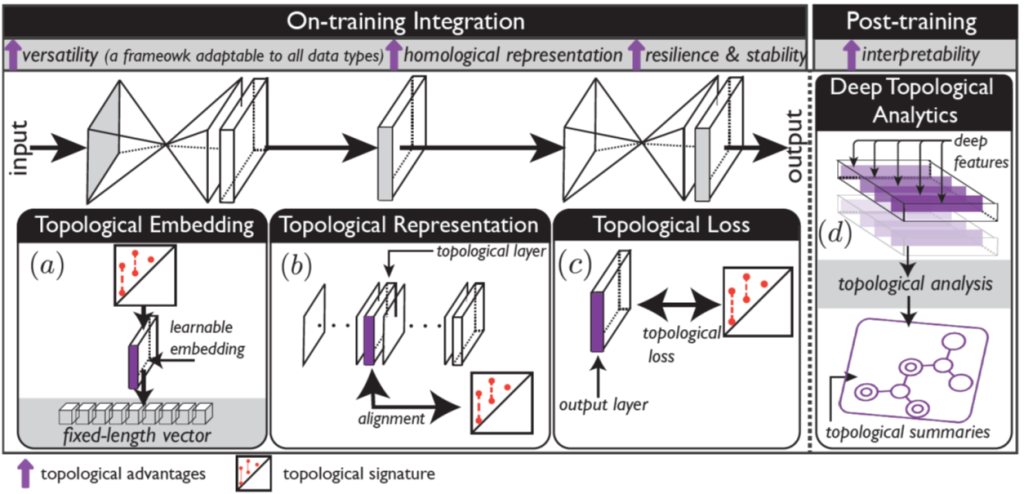
Topological deep learning
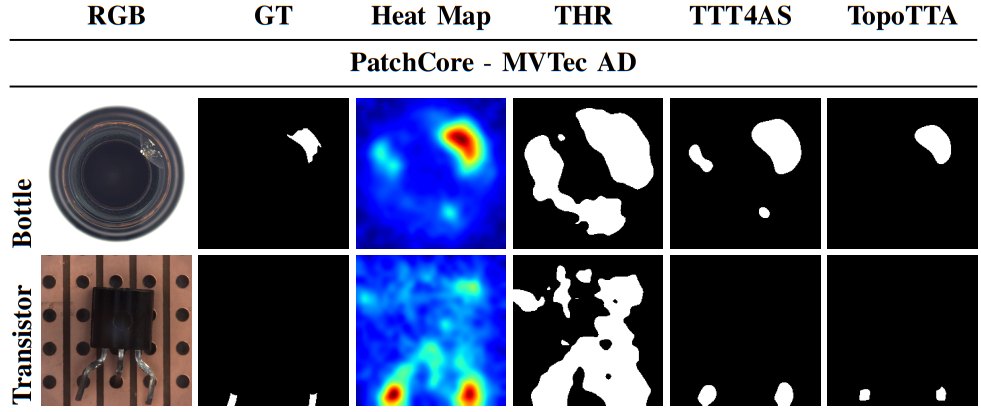
Topology describes what stays the same when data is stretched or corrupted: connected parts, loops and voids. I use persistent homology to turn anomaly maps into reliable pseudo-labels (TopoTTA, TPAMI 2026), optimal transport to compare persistence diagrams across scales (TopoOT, NeurIPS 2026), and hypergraphs and cell complexes to model relations between sensors and views in radar and fault diagnosis.
I co-wrote a review of topological deep learning, contributed to TopoX, and am teaching a tutorial on the topic at ACML 2026.
Hyperspectral and multimodal sensing
A hyperspectral camera records hundreds of narrow bands, so each pixel carries a spectrum rather than three colours. My PhD used these spectra for 3D vision, recovering depth from chromatic aberration and defocus. Since then I have worked on weak-signal unmixing for contamination in meat, protein prediction in chickpea, disease detection in sugarcane and herbicide resistance in ryegrass, and on fusing spectral data with lidar and point clouds.
Reliable AI under real conditions
Models trained in the lab meet new lighting, sensors and populations in deployment. I work on test-time adaptation that needs no source data or labels, on diagnosing out-of-distribution robustness from representation geometry, and on decision support where errors are costly, such as embryo assessment for IVF.
Research projects
Chickpea quality from hyperspectral imaging
CSIRO, 2023 onward
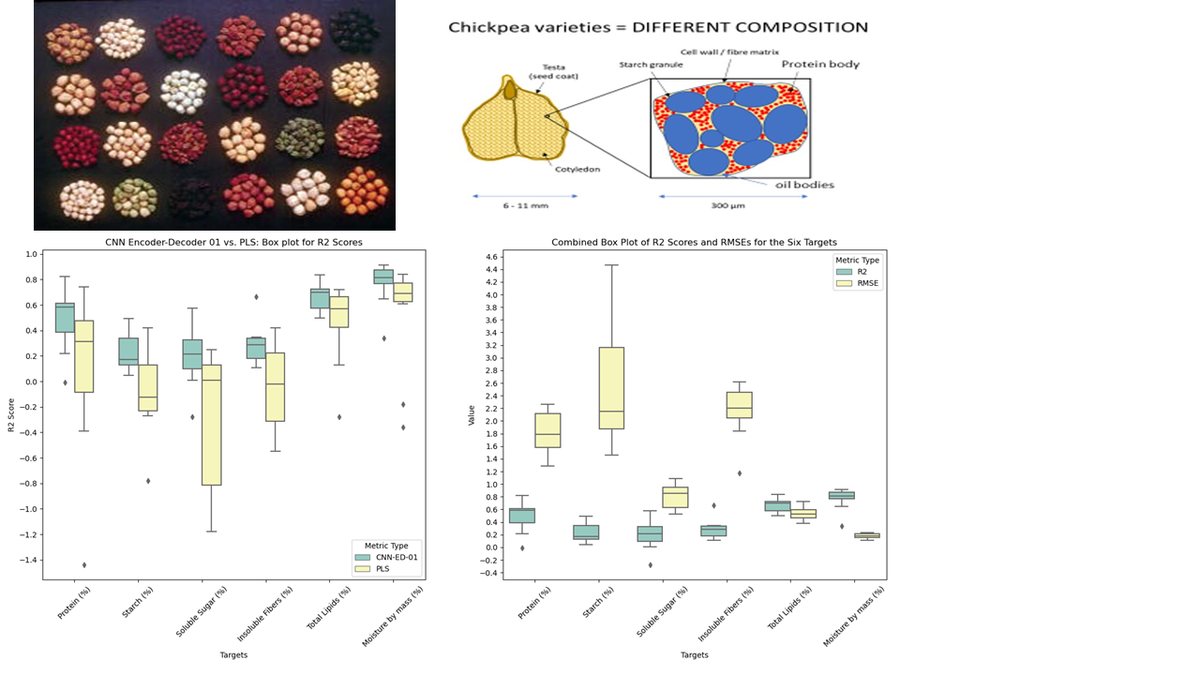
Predicting protein and composition of chickpea varieties and flour from hyperspectral data, so breeders and processors can screen quality without wet chemistry.
- Current Research in Food Science, 2025
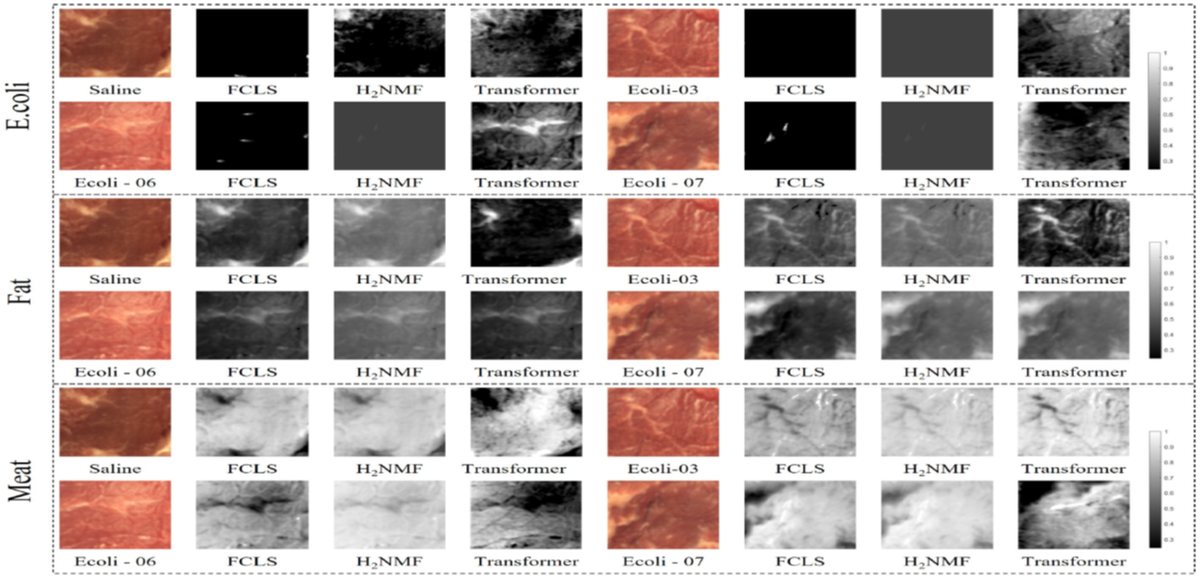
Finding weak contamination signals in meat
CSIRO AI4M, 2022 onward
A benchmark for detecting faint E. coli signatures in steak with hyperspectral unmixing, comparing classical methods with transformer and CNN models. Follow-up work includes the WS-Net weak-signal unmixing model.
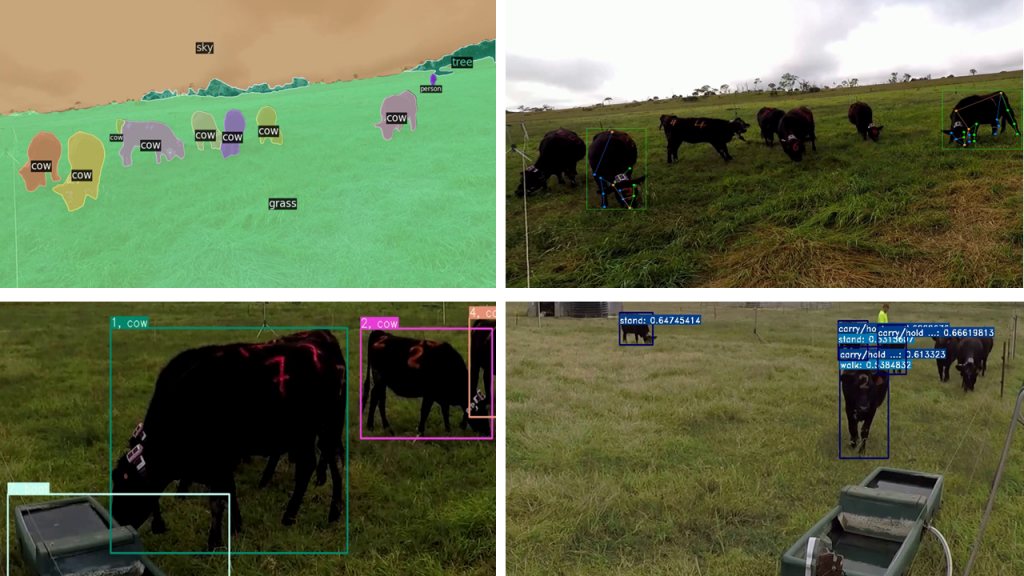
Cattle behaviour from video
CSIRO
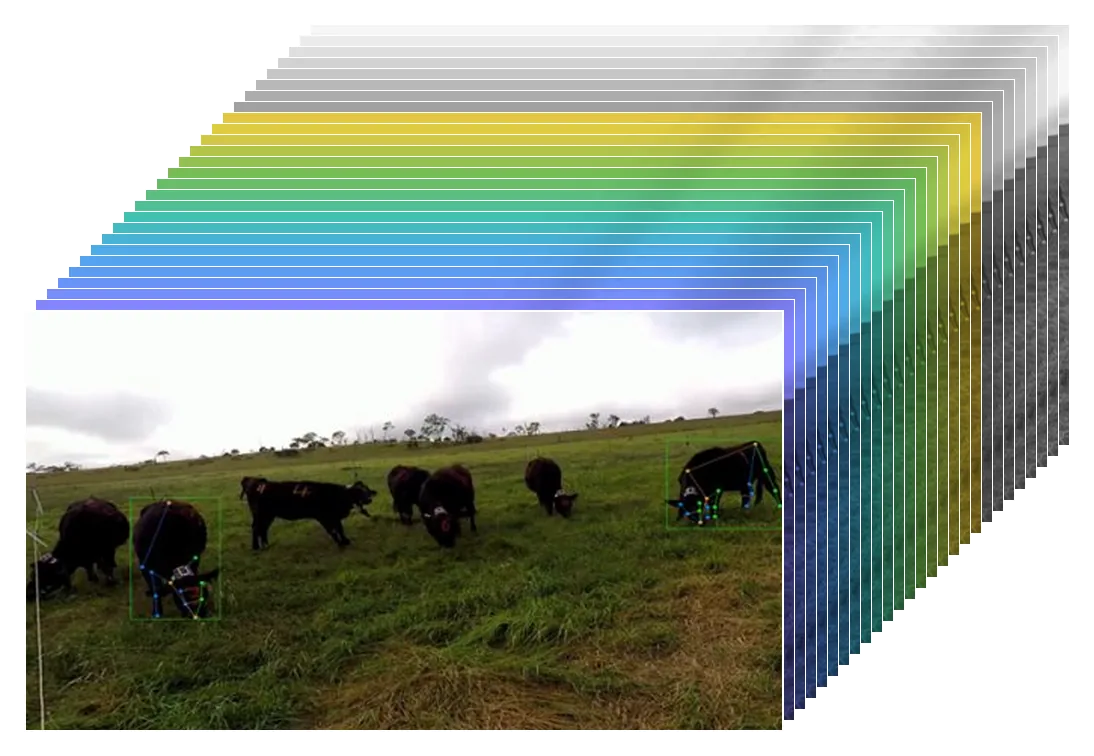
Detecting and tracking individual cattle in the field and classifying their behaviour over time, for welfare, early disease detection and breeding. We released the CVB dataset and a CVAT-based tool that cuts annotation time by labelling only behaviour changes. Watch a clip.
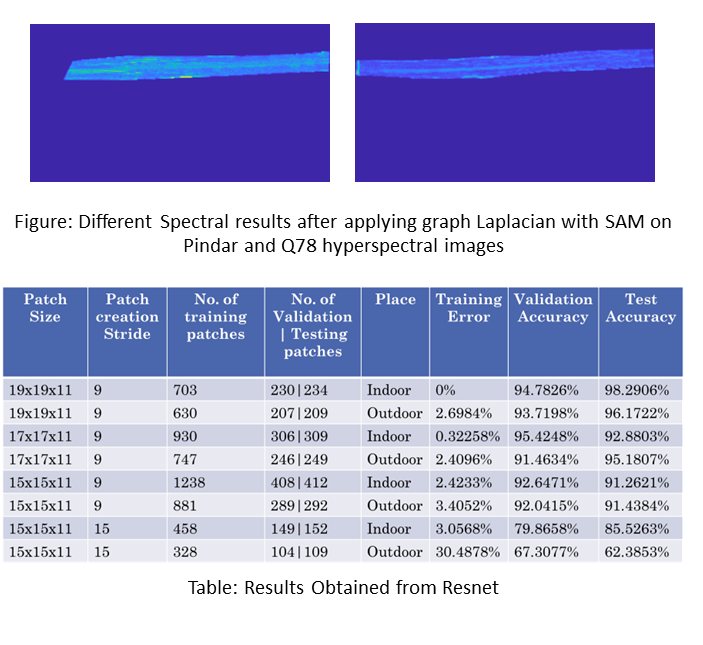
Sugarcane disease and resilience
Near-infrared hyperspectral imaging with CNNs to identify mosaic-resistant sugarcane varieties and to catch smut disease before symptoms show.
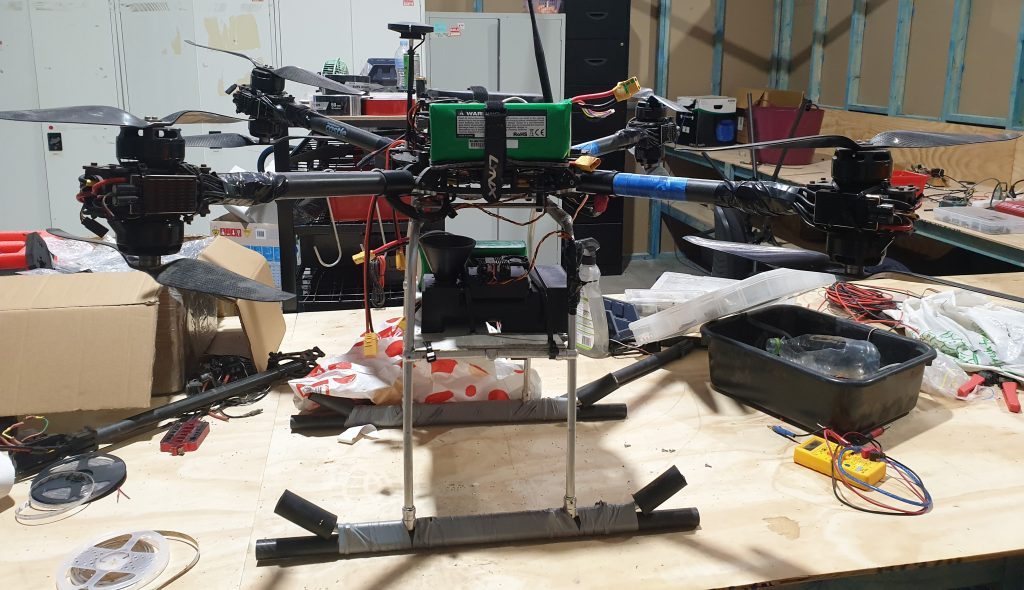
Counting beneficial insects released by drone
YOLOv5 and DETR models count insects and larvae in mixtures dispersed by UAVs, so growers can check that natural pest control is spread where it is needed.
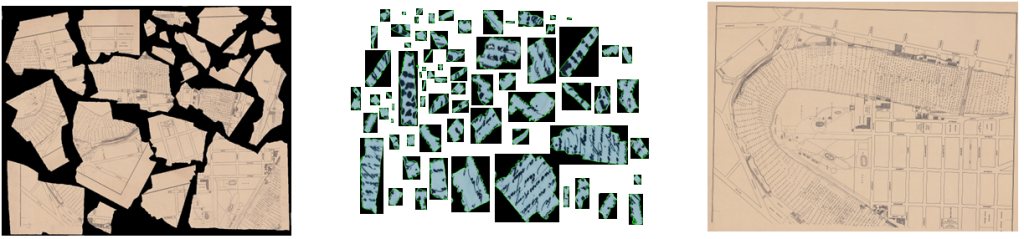
Restoring historical documents
Detecting tears, creases and faded text in archival documents, then reassembling and digitising them.
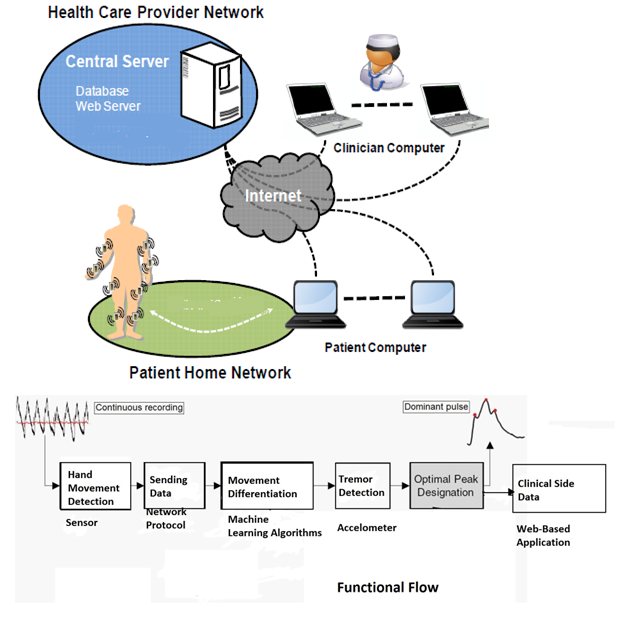
Remote monitoring for Parkinson's disease
COMSATS University
Wireless inertial sensors and cameras separate normal movement from tremor, scored against the UPDRS scale so clinicians can follow patients at home.
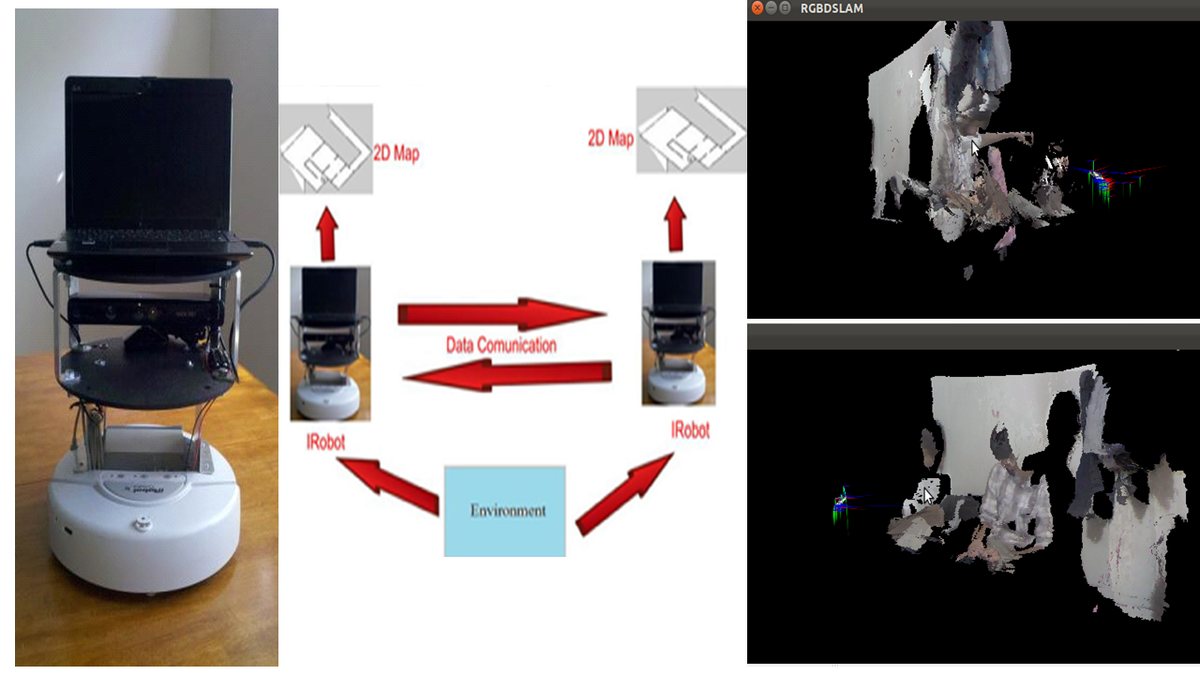
Robot mapping and navigation
Best project award, 2011
Mobile robots that build 2D and 3D maps of their surroundings and plan paths around obstacles, with maps shared between robots.
- Sensor fusion for obstacle avoidance, ISDA 2010
Earlier projects
- Smart home automation with face recognition, alarm and smoke detection, number-plate detection and IP camera streaming
- Facial and vocal emotion recognition
- Computer control using finger movement
- Content-based video retrieval
- Smart traffic surveillance and vehicle identification
- Camera surveillance using mobile phones